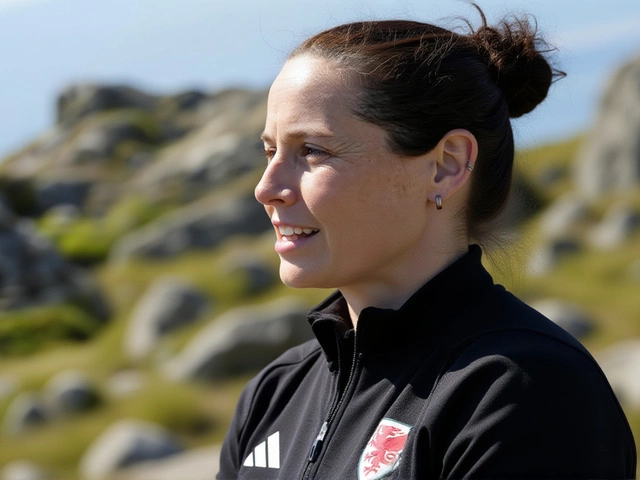
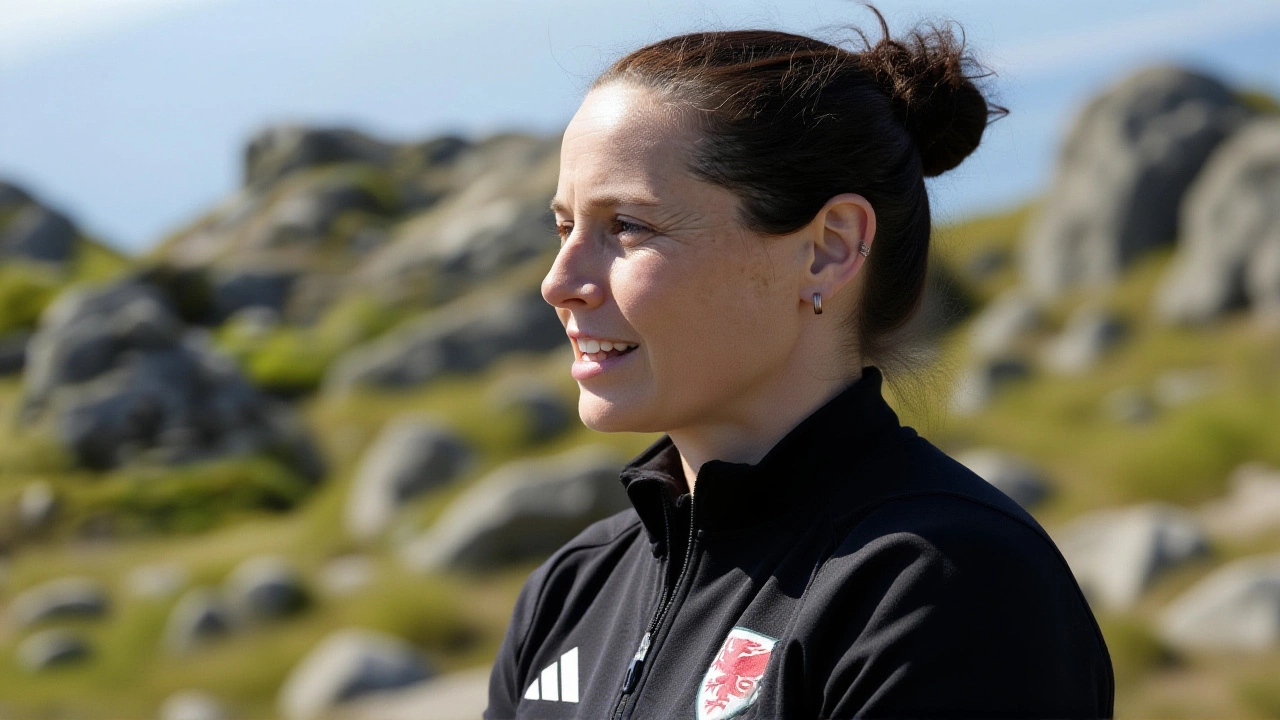
With their Euro 2025 campaign already over, Wales women's national football team isn’t packing it in. On Sunday, November 30, 2025, in St. Gallen, they’ll face England—not for glory in the knockout rounds, but for pride, history, and the chance to spoil the party. Head coach Rhian Wilkinson, the 42-year-old Canadian who’s led Wales since January 1, 2023, made it clear: "The pressure’s all on them." And for a team that’s lost all three group games, that’s exactly the kind of freedom they need.
"We’re here to spoil the party"
It’s been a brutal tournament for Wales. A 4-1 thrashing by France on November 26 gave them their first-ever goal in a major tournament—scored by captain Jess Fishlock—but also confirmed their exit. Before that, they’d been beaten 3-0 by the Netherlands and, as Wilkinson confirmed in a November 28 interview, lost to England earlier in the group stage. Still, in a pre-match press conference at 1:12 AM UTC on November 29, Wilkinson didn’t sound defeated. "What do we have to fear?" she asked. "It’s just an exciting opportunity."
Midfielder Angharad James, who’s played alongside Wilkinson since the team’s first training camp in 2023, echoed the sentiment. "We’ve got one big game to go," she said. "We’ll leave everything out on that field tomorrow. We’ll give it our absolute all for our country and to make them prouder."
That’s the tone Wilkinson has cultivated since taking over. She didn’t come to Wales to chase quick wins. She came to build something that lasts. And in a sport where women’s teams often get judged by results alone, she’s betting on process—even when the scoreboard says otherwise.
The long game behind the losses
Wilkinson didn’t just stumble into this tough schedule. She designed it. In interviews throughout November, she admitted she deliberately stacked Wales’ 2025 fixtures with top-tier opponents: Australia, Poland, France, and now England. The goal? To expose her players to the physicality, speed, and tactical discipline of elite teams—even if it meant enduring 5-2 home defeats or 4-1 routs.
"I purposely made our schedule very difficult," she said on November 28. "But it is a balance. We’re playing at the highest level, and we want to win. There’s something about our confidence that we’ve got to keep high going into next year’s qualifiers."
It’s working. In October, after a gritty 2-1 loss to Australia, Wilkinson pointed to midfield control and pressing intensity as signs of progress. Then came the 5-2 loss to Poland—messy, yes—but also a team that created chances, pressed high, and didn’t fold. "We’re not happy with it," she admitted. "It’s frustrating and it feels like a burden we don’t want to carry. But this team is really on a journey."
Building for 2027
Wales hasn’t qualified for a Women’s World Cup since 2011. The road to the 2027 FIFA Women’s World Cup is brutal—dubbed by Wilkinson as a "Race Across the World" due to the narrow qualifying slots and fierce competition. But she’s not waiting for permission to grow. She’s already looking past Euro 2025.
After the England match, Wales will play two friendlies: against South Korea on November 28 in Malaga, and Switzerland on December 2 in Jerez. For both, Wilkinson is integrating five uncapped players from the Adran Premier, Wales’ top women’s league. "They’ve earned it," she said. "I’m looking forward to having them come in as training players and show me what they can give."
That’s the real story here—not the losses, but the pipeline. Players like 18-year-old forward Elara Hughes and 20-year-old defender Siân Jones, both recently called up, are already training with Fishlock and James. The Adran Premier, once considered a developmental league, is now producing players who can compete with Europe’s best.
Why this matters beyond Wales
Small nations don’t often get to rewrite the script in women’s football. But Wales, under Wilkinson, is trying. The Wales Football Association, headquartered in Cardiff, has backed her vision—even when results were poor. That’s rare. Most federations would have fired her after the Poland loss. Instead, they doubled down.
It’s a model other small nations should watch. This isn’t about winning every game. It’s about building a culture where losing doesn’t mean failing—it means learning. And when you’ve got a team that still believes after three defeats, you’ve got something deeper than tactics. You’ve got belief.
What’s next?
Wales’ next competitive match won’t come until March 2026, when they begin the 2027 FIFA Women’s World Cup qualifiers. But by then, Wilkinson expects to have 12 new players integrated into the squad. The goal? Not just to qualify, but to be competitive. To play with the same fearlessness they’ll show against England on Sunday.
"We’re not here to make up the numbers," Wilkinson said. "We’re here to prove we belong."
Frequently Asked Questions
Why is Wales still playing hard after being eliminated?
Wales’ coaching staff, led by Rhian Wilkinson, believes every match is a chance to develop players and build team culture—even without knockout stakes. The team’s performance against England will influence confidence heading into 2026 World Cup qualifiers, and the players are determined to end their 2025 campaign with pride, not defeat.
How has the Adran Premier contributed to Wales’ progress?
The Adran Premier, Wales’ top women’s league, has seen a 40% increase in professional contracts since 2023, according to the Wales Football Association. Five uncapped players called up for the post-Euro friendlies came directly from the league, with three already training with the senior squad. This growth has turned a once-developmental league into a vital talent pipeline.
What’s Wales’ best result against England?
Wales’ best-ever result against England is a 0-0 draw in Southampton in 2018. Since then, they’ve lost five of six meetings, including a 2-0 defeat in Euro 2025 group play. But Wilkinson’s team has closed the gap in possession and shots on target in recent fixtures, suggesting the gap is narrowing faster than the scoreboard shows.
Why did Wilkinson choose such a difficult 2025 schedule?
Wilkinson intentionally scheduled matches against top-ranked teams to expose her squad to elite pressure and tactical systems. She believes that losing to France and Australia in controlled environments prepares players better than winning against weaker opponents. The goal isn’t just to qualify for 2027—it’s to compete in it.
What’s the significance of Wales’ first-ever Euro 2025 goal?
Jess Fishlock’s goal against France on November 26, 2025, was Wales’ first in a major tournament since the 1970s. It marked a symbolic turning point, proving the team can score on the biggest stage. For a squad that had gone 12 matches without a goal before Euro 2025, it was more than a statistic—it was validation of their progress.
How does Wilkinson’s approach differ from previous Wales coaches?
Previous coaches prioritized immediate results and defensive solidity. Wilkinson focuses on attacking structure, player development, and psychological resilience. She’s introduced data-driven training, mental performance coaches, and extended camp durations—all unprecedented in Welsh women’s football. The results may be slow, but the infrastructure is now built for long-term success.
You might like